 11
11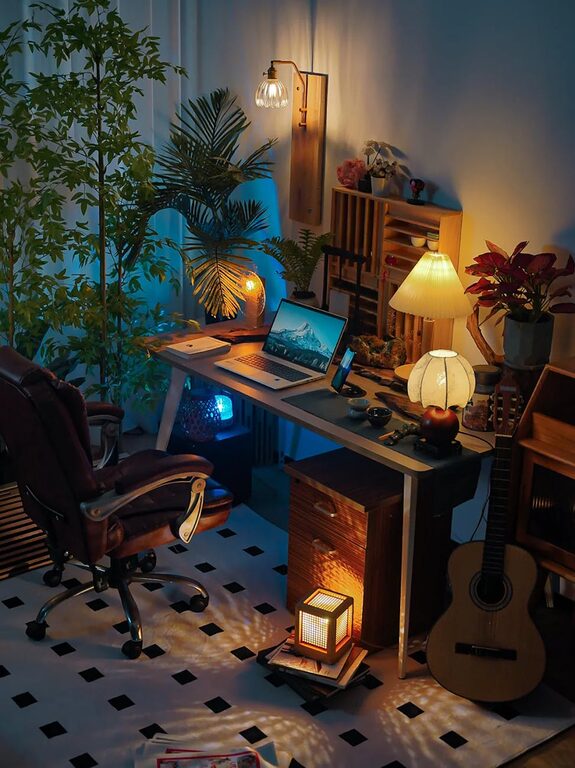
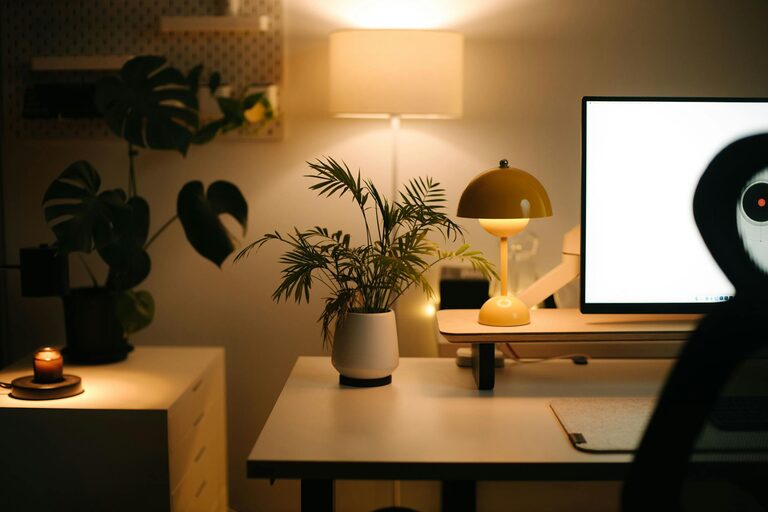
Creating a cozy and inviting home office space is more important than ever. With so many people working from home or spending extra time on projects, having a comfortable and functional environment can boost productivity and make work feel less like a chore. The good news is that establishing this kind of workspace doesn’t have to be complicated or expensive. Here are some simple tips to help you design a home office that feels both welcoming and efficient.
One of the first things to consider when setting up your home office is the location. Ideally, you want a quiet corner or room that is away from distractions like the living room TV or the kitchen hustle. Even a small nook with enough space for a desk can work well.
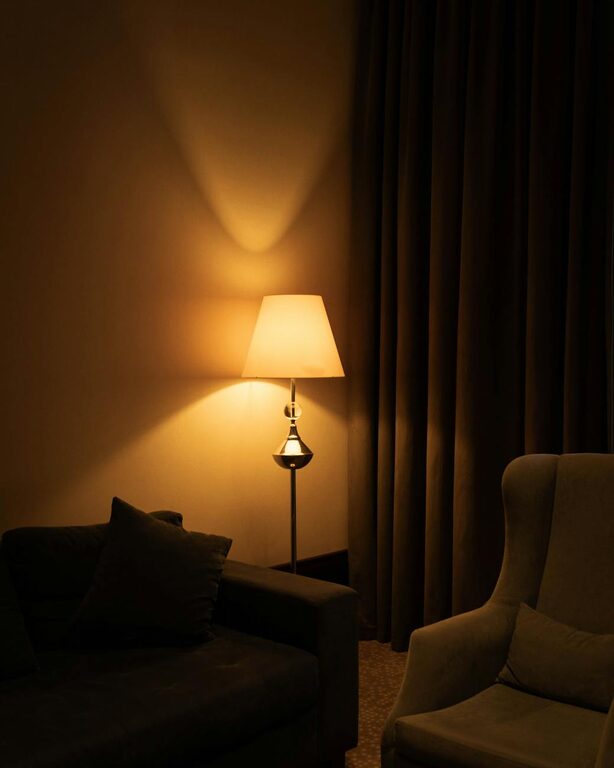
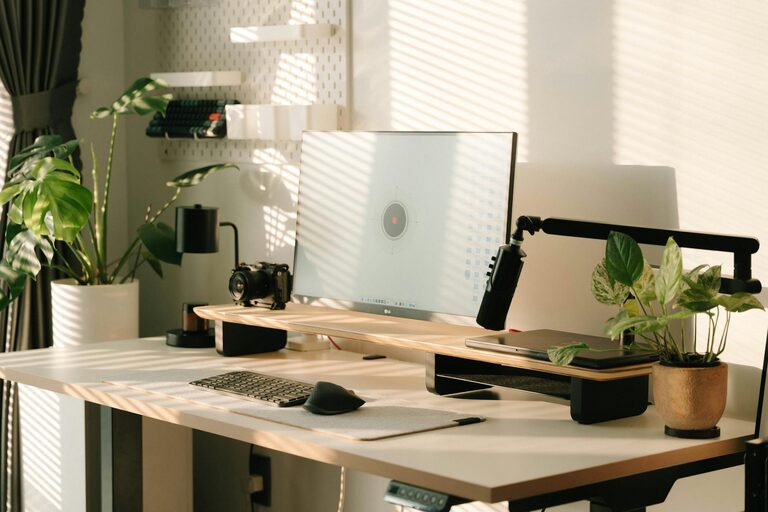
Look for a spot with natural light, if possible. Sunlight not only brightens the room but also has positive effects on mood and energy levels. If natural light is limited, be sure to invest in good quality lighting to avoid eye strain.
Comfort is key when working for extended periods. A sturdy desk at the right height helps maintain good posture, while an ergonomic chair supports your back and reduces fatigue. You don’t need the most expensive office chair, but choosing one with adjustable features can make a big difference.
If you like to stand sometimes, consider a convertible sit-stand desk. This flexibility encourages movement throughout the day, promoting better health and focus.
Clutter can quickly make any space feel overwhelming. Keep your home office tidy by using smart storage solutions. Drawers, shelves, and desk organizers help keep supplies and paperwork in order. Labeling boxes or folders also makes it easier to find what you need without digging through piles.
Try to establish a routine for tidying up at the end of each day. This practice helps maintain a neat workspace and prepares you for a fresh start the next morning.
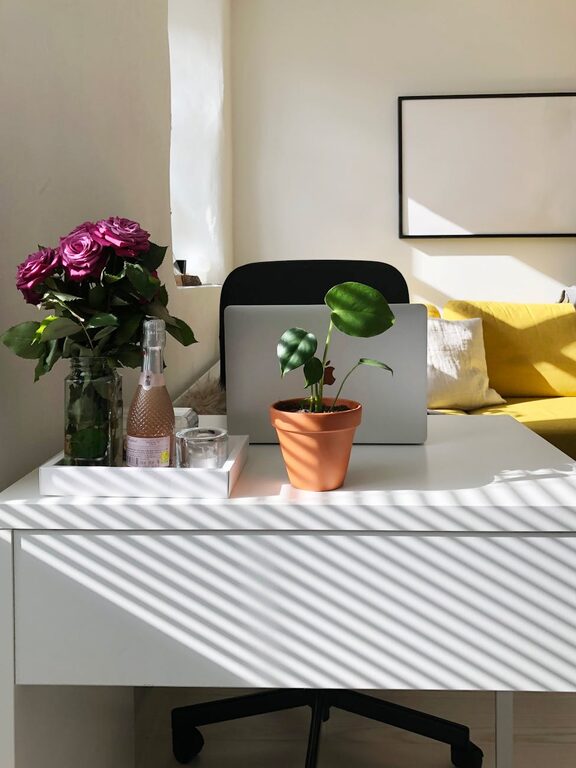
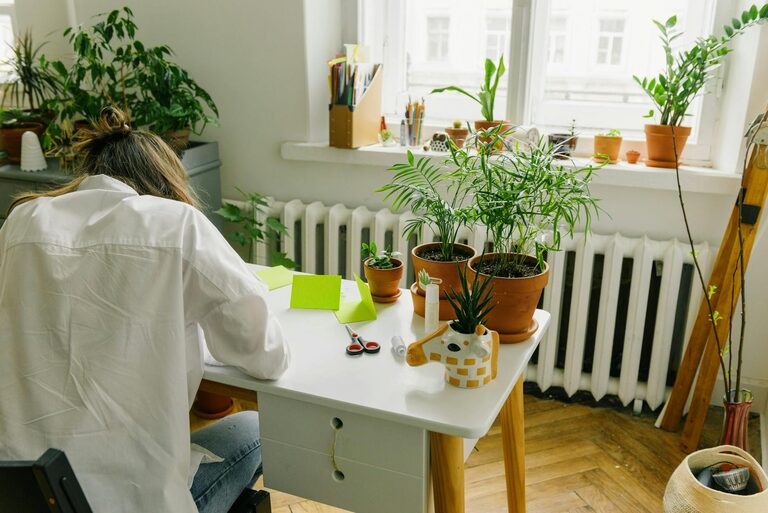
A welcoming workspace reflects your personality and style. Add personal touches like artwork, photos, or decorative items that inspire you. Plants are a wonderful addition—they bring a touch of nature indoors, improve air quality, and create a relaxing atmosphere.
Choose colors and textures that make you feel calm and motivated. Soft cushions, a cozy throw blanket, or a colorful rug can add warmth and comfort without cluttering your desk.
Technology is essential for most home offices but keeping cables and chargers in order prevents mess and frustration. Use cable clips, sleeves, or boxes to hide cords and keep them from tangling.
Arrange your computer, printer, and other devices so they’re easy to access but don’t crowd your workspace. Wireless accessories like a mouse and keyboard can help reduce cable clutter.
Identify your key tasks and set up your space to support them. If you need to write or read, keep good lighting and a comfortable chair nearby. For creative work, have drawing or brainstorming materials close at hand.
Consider sound preferences—some people work best with quiet, while others prefer background music or white noise. Use headphones or a small speaker to set the right mood.
Incorporating natural elements can elevate your workspace. Wood furniture, stone accents, or woven baskets bring texture and a sense of grounding. Natural light, as mentioned earlier, is vital, so keep windows clean and unobstructed.
If your office faces a garden or street with calming views, arrange your desk to enjoy them without distraction.
To stay comfortable and avoid injury, pay attention to ergonomics. Your monitor should be at eye level to prevent neck strain. Keep forearms parallel to the floor when typing, and feet flat on the ground or on a supportive footrest.
Remember to take regular breaks. Stretching, walking, and blinking your eyes help reduce tension and fatigue. A small reminder timer or app can help you stay consistent.
Your needs and work habits might evolve, so it’s helpful to design a space that can adapt. Use modular furniture or storage that can be moved or reconfigured easily. This flexibility means you won’t have to start from scratch if your workflow changes.
A clean home office promotes clear thinking and reduces stress. Regularly dust surfaces, vacuum or sweep floors, and sanitize high-touch areas. Keeping your workspace fresh can improve air quality and create a healthier environment.
—
Building a cozy and inviting home office is about balancing comfort, functionality, and personal style. By selecting the right spot, investing in good furniture, organizing thoughtfully, and adding elements that make you happy, you can create a space where work feels natural and enjoyable. Start with small changes, and over time, your home office can become one of your favorite places in the house. Happy decorating!