 11
11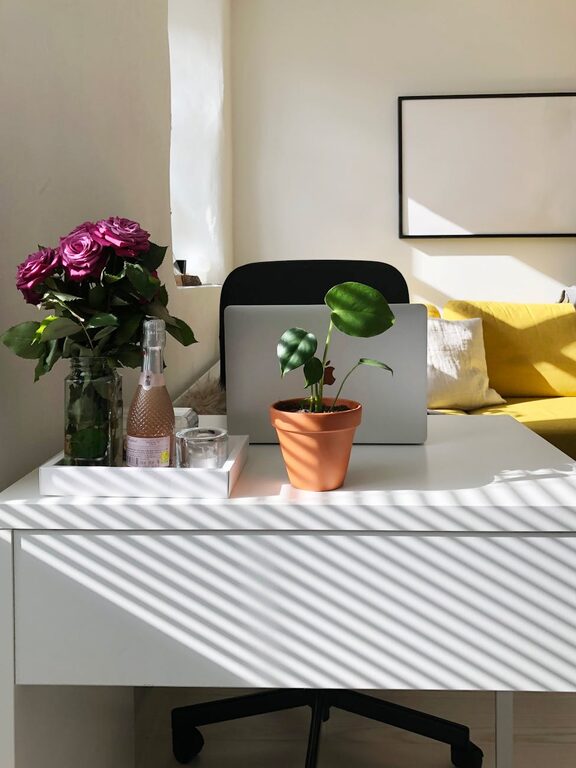
Creating a relaxing home workspace is more important than ever as many people continue to work remotely or split their time between the office and home. A calm and comfortable workspace not only enhances focus and creativity but also helps reduce stress during the workday. Whether you have a dedicated room or just a small corner, the right setup can make a significant difference.
In this post, we share practical tips for designing a home workspace that promotes relaxation and productivity.
The first step to a relaxing home workspace is picking the best spot in your home. Ideally, choose a place with minimal distractions and enough space for your essentials. If possible, select a room or corner with natural light, as it helps improve mood and energy levels.
– Avoid high-traffic areas where noise and interruptions are common.
– If you don’t have a separate room, screen off your workspace with a room divider or curtains.
– Consider the temperature and ventilation to ensure comfort throughout the day.
Investing in ergonomic furniture can prevent discomfort and fatigue. Here’s what to focus on:
– Chair: Choose a supportive chair with adjustable height and lumbar support.
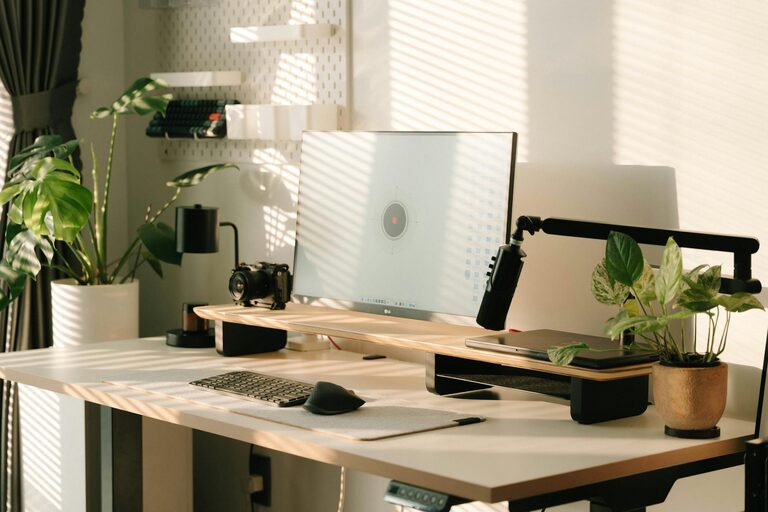
– Desk: Opt for a desk that fits your working style and space, whether it’s a traditional desk or a standing desk.
– Monitor placement: Position your computer screen at eye level to avoid neck strain.
– Accessories: Use a keyboard and mouse that are comfortable for your hands and wrists.
Remember, comfort helps you stay focused and relaxed for longer periods.
Colors have a strong effect on our mood. To foster relaxation in your workspace, consider the following:
– Use soft, neutral colors like light blues, greens, or grays to create a soothing environment.
– Avoid overly bright or harsh colors that might cause distraction or stress.
– Add subtle pops of color through accessories like cushions, plants, or artwork to keep the space lively.
Clutter often leads to stress and decreased productivity. Maintaining a tidy workspace helps clear your mind and keeps you focused.
– Use storage solutions such as shelves, drawers, or desk organizers to keep supplies in order.
– Regularly declutter by removing unnecessary items and papers.
– Digitize documents when possible to reduce physical clutter.
An organized space creates a peaceful atmosphere conducive to work.
Bringing nature indoors has been shown to lower stress and boost well-being.
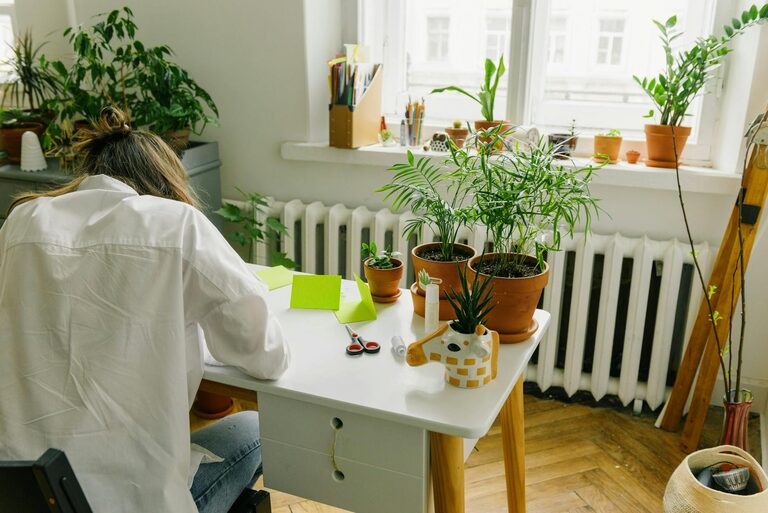
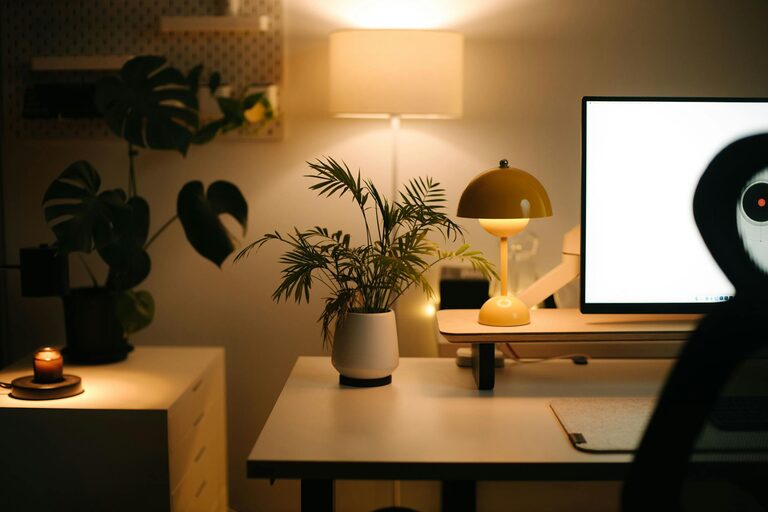
– Place a few low-maintenance indoor plants near your desk for a touch of greenery.
– Use natural materials like wood or bamboo in furniture or accessories.
– Open windows for fresh air and natural sounds when possible.
These natural elements make the workspace feel more inviting and calm.
Proper lighting is crucial for both comfort and productivity.
– Maximize natural light during the day by positioning your desk near windows.
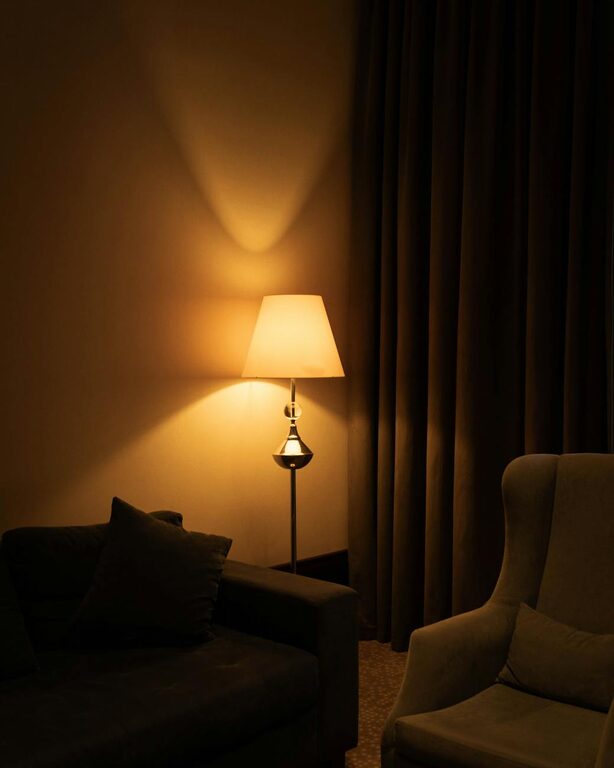
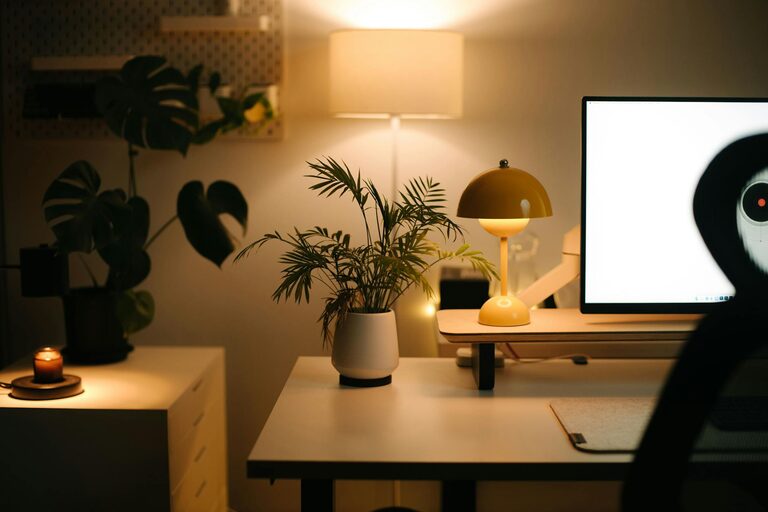
– Use adjustable desk lamps with warm light to reduce eye strain during evening work.
– Avoid harsh overhead lighting that can cause glare and headaches.
Good lighting supports a relaxed and inviting workspace.
Personalizing your workspace can make it more enjoyable and motivating.
– Display a few meaningful photos or artwork that inspire you.
– Include objects that bring you joy, like a favorite mug or a decorative item.
– Avoid over-decorating to maintain a clean, distraction-free environment.
Personal touches help you feel at ease without causing clutter.
Even the best workspace can’t replace healthy work habits.
– Take short breaks every hour to stretch or walk around.
– Try simple relaxation techniques like deep breathing or mindfulness.
– Use a standing desk or alternate between sitting and standing if possible.
These habits complement your relaxing workspace by reducing physical and mental tension.
—
Designing a relaxing home workspace is about combining comfort, organization, and personal style. Small changes like choosing the right chair, optimizing lighting, and adding plants can have a big impact on your workday well-being. Take the time to create a space that feels calm and inviting, and you’ll likely find your focus and productivity improving naturally.
Remember, a relaxing workspace is not just about aesthetics—it’s about fostering a healthy environment where you can do your best work with less stress.
Start with one or two changes today, and gradually build a home office setup that truly supports your needs and comfort.