 11
11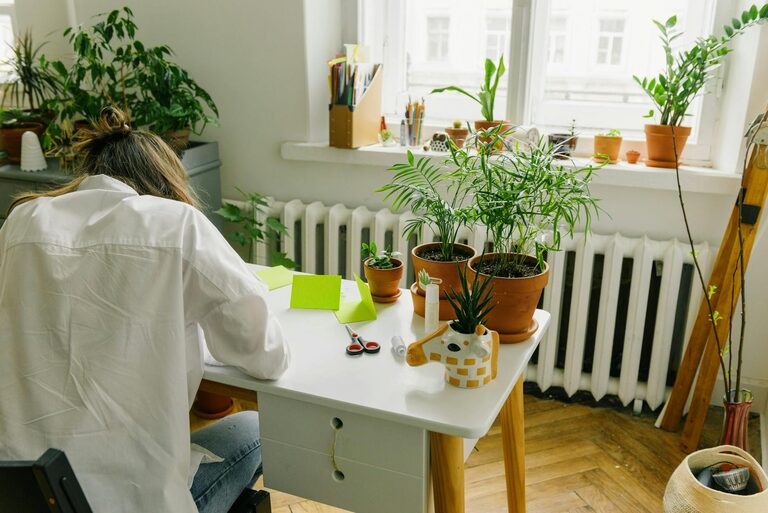
Creating a home office that is both relaxing and productive can significantly improve your work-from-home experience. With the right environment, you can maintain focus, reduce stress, and enjoy a better work-life balance. Whether you’re setting up a new space or refreshing an existing one, these helpful tips will guide you toward creating a home office that supports your best work.
The first step to a productive home office is selecting the ideal spot. Look for a quiet area away from distractions such as household traffic, televisions, or noisy communal spaces. If possible, a room with a door helps you separate work time from personal time.
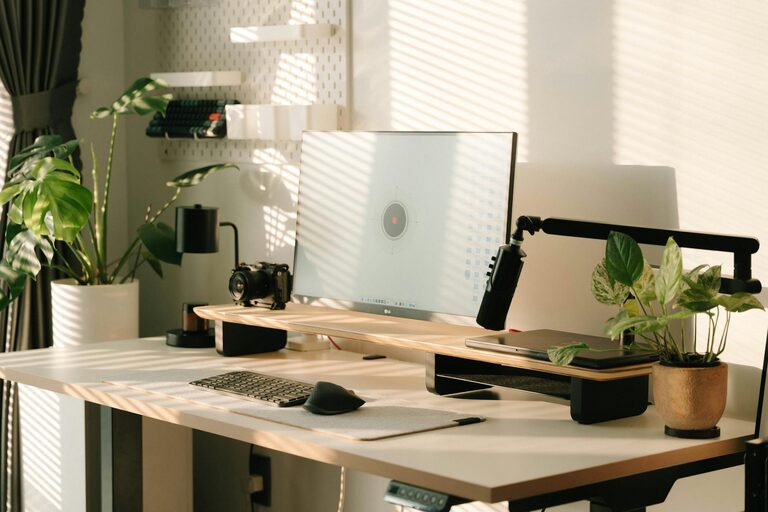
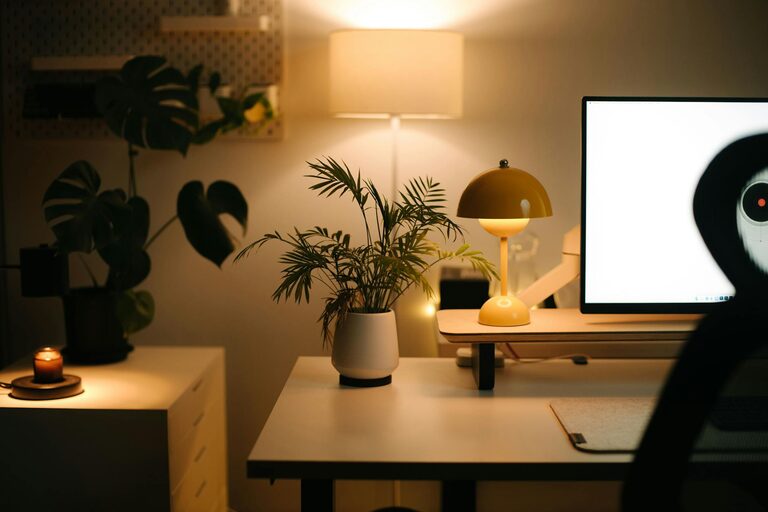
Natural light is known to boost mood and energy levels. Try to set up your desk near a window where you can enjoy daylight without glare on your computer screen. If natural light is limited, invest in high-quality, adjustable artificial lighting that mimics daylight.
Comfort plays a significant role in maintaining productivity for long work hours. Choose an ergonomic chair that supports your back and promotes good posture. Your desk should be at a height where your arms can rest comfortably with elbows bent at 90 degrees.
Position your computer monitor at eye level to avoid neck strain. Your keyboard and mouse should be close enough to prevent reaching forward, which can cause shoulder tension.
A cluttered workspace can overwhelm your mind and hinder productivity. Use storage solutions like shelves, drawers, or filing cabinets to keep supplies and documents neatly organized.
Make it a habit to tidy your desk at the end of each day. A clean and organized workspace will help you start fresh and focused the next morning.
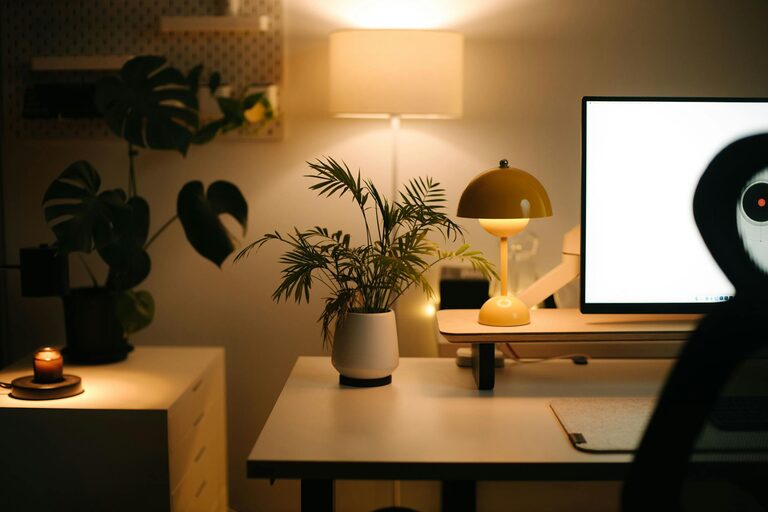
Adding personal touches can make your home office more inviting and reduce stress. Consider including elements like plants, artwork, or photos that inspire and calm you.
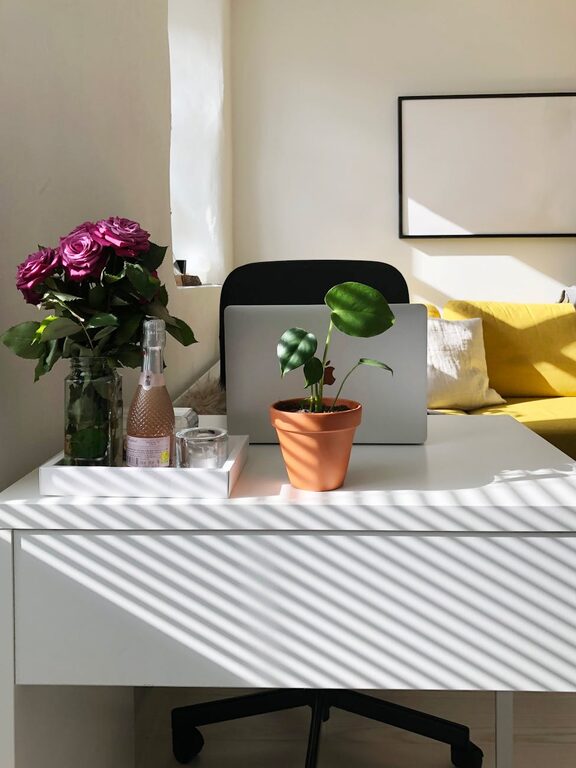
Indoor plants not only improve air quality but also add a soothing natural element. Choose low-maintenance varieties like succulents, snake plants, or pothos.
Background noise can reduce concentration and increase stress. To create a more peaceful environment, consider using noise-canceling headphones or playing soft instrumental music.
If noise is a frequent issue, add rugs, curtains, or acoustic panels to absorb sound. Simple measures like sealing gaps under doors can also reduce noise intrusion.
Even in a home office, establishing a daily routine helps create boundaries between work and personal life. Set regular start and end times, and take scheduled breaks to stay refreshed.
Short breaks to stand up, stretch, or take a quick walk can boost mental clarity and reduce fatigue.
Use technology that enhances your workflow without causing distractions. Reliable internet, effective communication tools, and productivity apps can streamline tasks.
Turn off non-essential notifications and consider using apps that block distracting websites during work hours.
A comfortable room temperature and fresh air are important for focus and wellbeing. Use fans, heaters, or air purifiers as needed to keep your environment pleasant.
—
By thoughtfully designing your home office with these tips, you’ll create a space that encourages focus and calm. Remember, small adjustments can make a big difference in your daily work experience. Take the time to tailor your environment to fit your needs and preferences, and enjoy the benefits of a relaxing, productive home office.