 11
11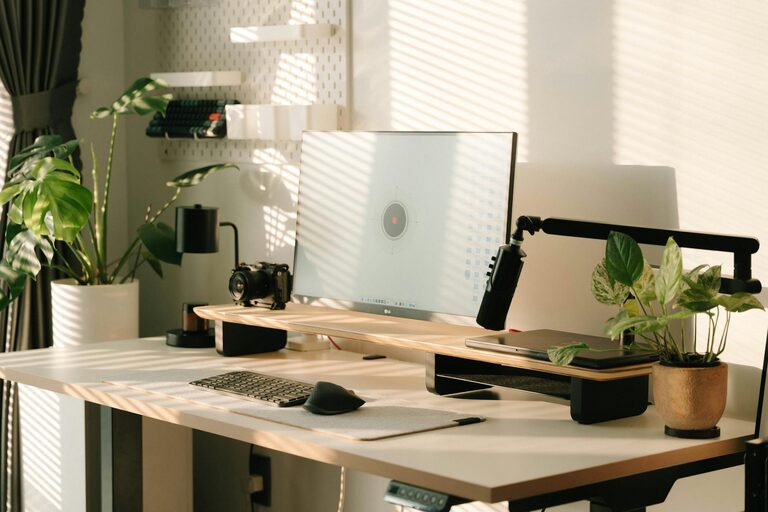
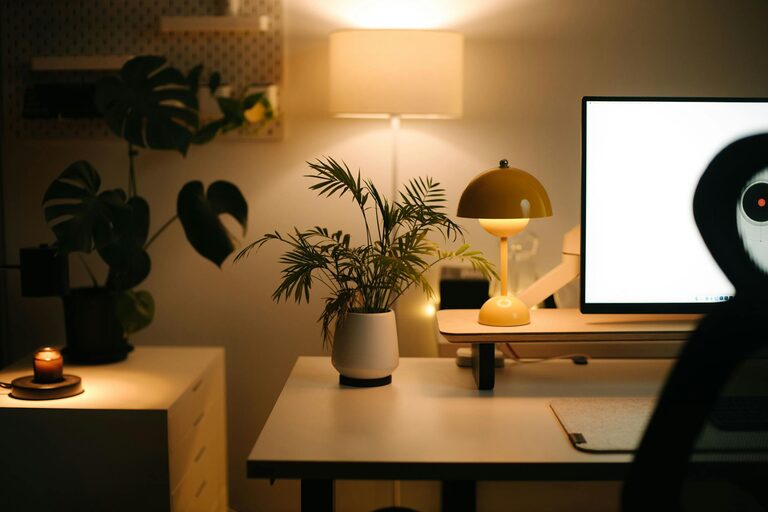
Creating a home office that is both cozy and productive can greatly enhance your work-from-home experience. When your workspace feels inviting and is well-organized, it encourages concentration and reduces stress, making daily tasks more manageable and enjoyable. Whether you have a dedicated room or a small corner, these tips will help you optimize your home office environment.
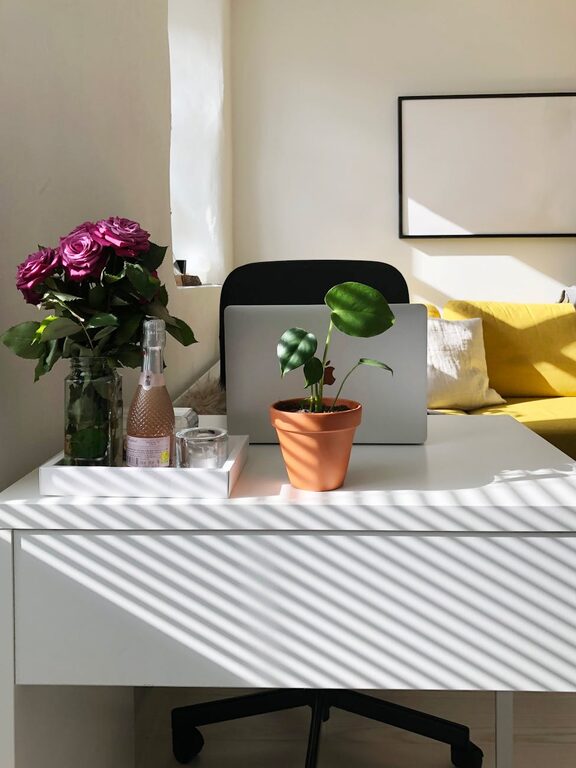
Selecting the best spot for your home office is a foundational step. Ideally, pick a quiet area with minimal distractions. If possible, select a space with natural light, as sunlight helps improve mood and focus.
– Away from high-traffic areas in your home
– Close to power outlets for your devices
– Enough room for your desk, chair, and storage
Your furniture is critical for maintaining comfort during long work hours. An ergonomic chair that supports your back and adjustable desk height can prevent posture-related issues.
– Use a chair with lumbar support and adjustable height
– Consider a desk at elbow height to avoid strain
– Add a footrest if your feet do not comfortably reach the floor
A clutter-free desk reduces distractions and streamlines your workflow. Use storage solutions that keep essentials within reach but out of sight to maintain a clean surface.
– Use drawer organizers for small office supplies
– Install shelves or use filing cabinets for documents
– Keep cables tidy with clips or cable management trays
Adding personal touches can make your office feel more inviting and motivate you to work. However, avoid overdecorating as this can become distracting.
– Display a few favorite photos or artwork
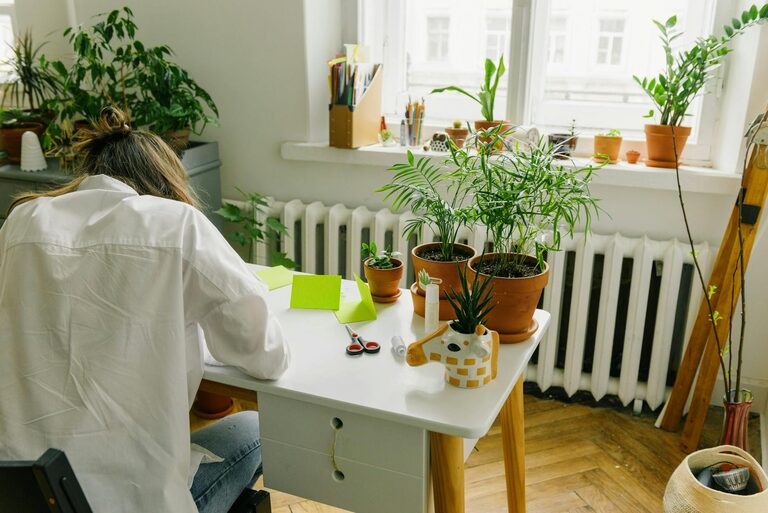
– Incorporate plants for a touch of nature and improved air quality
– Use a color scheme that feels calming, such as soft blues or greens
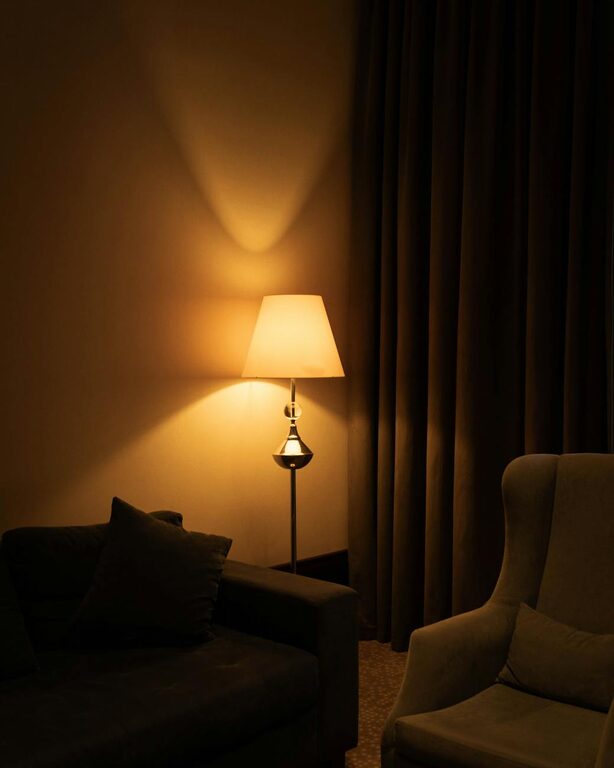
Good lighting decreases eye strain and boosts productivity. Natural light is best, but it’s important to supplement it with proper task lighting.
– Position your desk near a window if possible
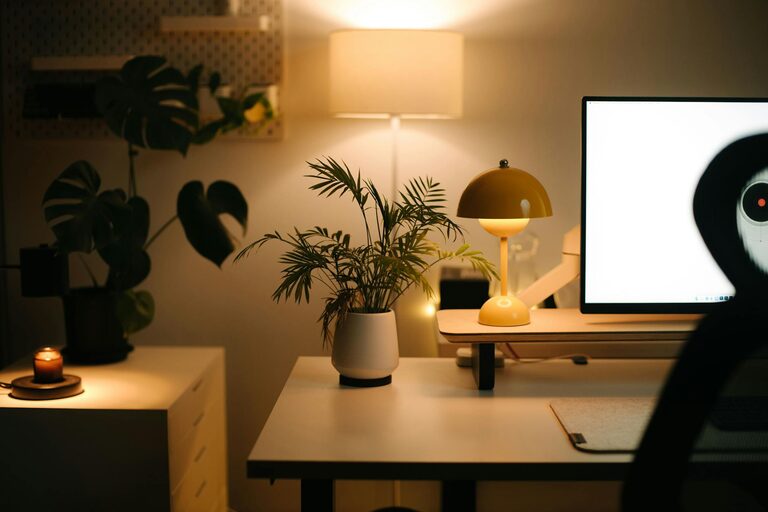
– Use adjustable desk lamps with warm white bulbs
– Avoid harsh overhead fluorescent lights
Noise can disrupt concentration, so consider ways to reduce sound. If your home is noisy, these approaches can help create a peaceful environment.
– Use noise-cancelling headphones or earplugs
– Add soft furnishings like rugs and curtains to absorb sound
– Play ambient music or white noise to mask distracting sounds
Comfort is also about how the air feels. Poor air quality or uncomfortable temperatures can negatively affect focus and well-being.
– Open windows regularly to circulate fresh air
– Use an air purifier if needed
– Adjust your thermostat to keep the room comfortably cool or warm
Even the best space can lose its magic without a good routine. Set clear working hours and break times to help balance productivity and relaxation.
– Start your day with a consistent morning ritual
– Take breaks away from your desk to recharge
– Clearly communicate your work schedule to family or roommates
Technology supports your productivity, but too many gadgets can clutter your space. Choose tools that enhance efficiency without overwhelming you.
– Use a reliable computer and internet connection
– Opt for wireless devices when possible to reduce cable clutter
– Keep charging stations organized and tidy
A workspace that evolves with your needs stays inspiring. Periodically review your setup and adjust as necessary.
– Swap out old supplies and add new decor items
– Rearrange furniture to improve flow and comfort
– Update your technology for better performance
—
Creating a home office that is both cozy and productive involves thoughtful planning and ongoing adjustment. With the right environment, you’ll find it easier to focus, feel comfortable, and enjoy the benefits of working from home. Use these tips as a starting point to build the perfect space that supports your work and well-being.